Mark Thompson
Certified dog trainer and breed consultant helping families find their perfect canine companion.
Choosing Your First Dog
Getting your first dog is an exciting milestone, but choosing the right breed can feel overwhelming. The best breeds for first-time owners share common traits: they're generally easy to train, adaptable to various living situations, and forgiving of beginner mistakes.
What Makes a Breed Beginner-Friendly?
Consider these factors when choosing:
- Trainability: Eager to please and quick to learn
- Temperament: Patient, friendly, and stable
- Energy level: Matches your lifestyle
- Grooming needs: Manageable maintenance
- Health: Generally robust with fewer genetic issues
- Size: Appropriate for your living space
Top 10 Breeds for First-Time Owners
1. Labrador Retriever
America's most popular breed for good reason. Labs are friendly, outgoing, and highly trainable. They're great with kids and other pets, making them ideal family dogs. They do need regular exercise and can be prone to weight gain.
2. Golden Retriever
Similar to Labs in temperament, Goldens are patient, intelligent, and devoted. They excel in obedience training and are naturally gentle. Their beautiful coat requires regular brushing.
3. Cavalier King Charles Spaniel
Perfect for those wanting a smaller, adaptable companion. Cavaliers are affectionate, gentle, and get along with everyone. They're equally happy on a walk or cuddling on the couch.
4. Poodle (Standard, Miniature, or Toy)
Don't let the fancy haircuts fool you—Poodles are athletic, intelligent, and hypoallergenic. They come in three sizes to fit any home and are among the easiest breeds to train.
5. Beagle
Friendly, curious, and merry, Beagles make wonderful family pets. They're sturdy, compact, and love adventures. Be prepared for their vocal nature and strong nose that can lead them astray.
6. Boxer
Playful and patient, Boxers are excellent with children. They're protective without being aggressive and form strong bonds with their families. They need plenty of exercise and mental stimulation.
7. Bichon Frise
A cheerful, small breed that's hypoallergenic and adaptable to apartment living. Bichons are playful, affectionate, and generally easy to train. They do require regular grooming.
8. Papillon
Don't underestimate this tiny breed—Papillons are surprisingly athletic and intelligent. They're easy to train, adaptable, and make excellent companions for those wanting a small but active dog.
9. Cocker Spaniel
Happy and gentle, Cocker Spaniels are eager to please and respond well to training. They're good with children and other pets. Their beautiful coat needs regular maintenance.
10. Mixed Breeds
Don't overlook shelter dogs! Many mixed breeds combine the best traits of multiple breeds. Adult shelter dogs often come with some training and their personalities are already established.
Breeds to Approach with Caution
Some breeds, while wonderful, may be challenging for beginners:
- Working breeds (Huskies, Malamutes) - High energy and independent
- Guardian breeds (Rottweilers, Dobermans) - Need experienced handling
- Terriers - Can be stubborn and have high prey drive
- Herding breeds (Border Collies) - Need extensive mental stimulation
Questions to Ask Yourself
- How much time can I dedicate to exercise daily?
- Do I have a yard or will we rely on walks?
- Are there children or other pets in my home?
- How much grooming am I willing to do?
- What's my budget for food, vet care, and supplies?
- Am I home often or away for long hours?
Final Thoughts
The "best" breed is ultimately the one that fits your lifestyle, living situation, and expectations. Spend time researching, meet dogs of breeds you're considering, and consider adopting from a shelter or rescue. With the right match, you'll have a loyal companion for years to come.
Share this article
Related Articles
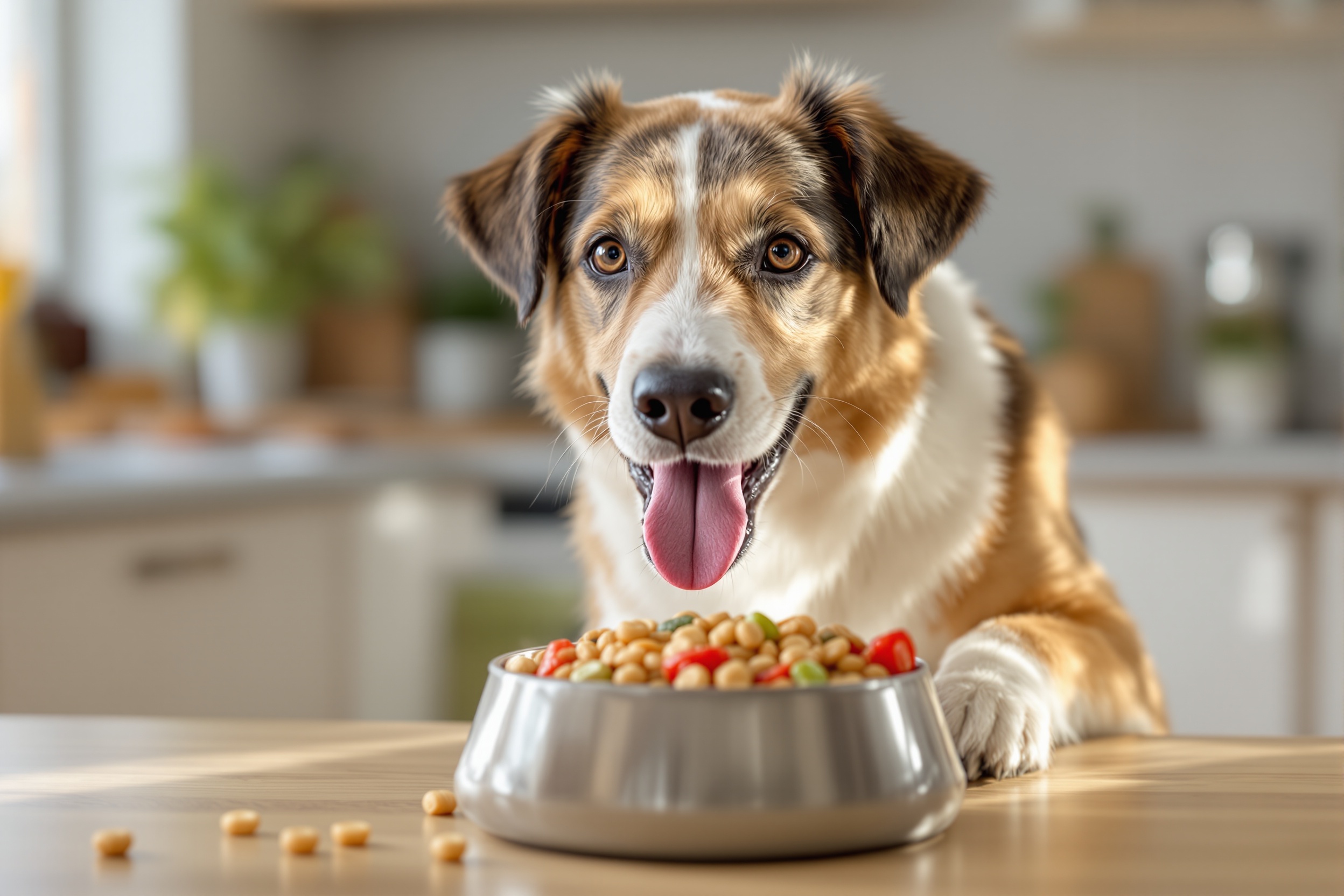
Complete Guide to Dog Nutrition and Feeding
Learn everything about proper dog nutrition, from choosing the right food to understanding portion sizes and feeding schedules for optimal health.
Puppy Training: First Steps to Success
Master the fundamentals of puppy training with proven techniques for housebreaking, basic commands, and socialization.
Senior Dog Care: Keeping Your Older Dog Healthy
Special care considerations for senior dogs, including diet adjustments, exercise modifications, and health monitoring.