Lisa Anderson
Professional dog trainer and certified animal behaviorist with 12 years of experience.
The Foundation of a Well-Behaved Dog
The first few months of your puppy's life are crucial for establishing good behavior patterns. Early training not only teaches essential commands but also builds a strong bond between you and your new companion. With patience, consistency, and positive reinforcement, you can raise a confident, well-mannered dog.
When to Start Training
You can begin training as soon as you bring your puppy home, typically around 8 weeks old. Puppies are like sponges at this age, eager to learn and please. Short, frequent training sessions (5-10 minutes) work best for their limited attention spans.
House Training Basics
Potty training is usually the first priority for new puppy owners:
Establish a routine:
- Take your puppy outside first thing in the morning
- Go out after every meal, nap, and play session
- Take them out before bedtime
- Young puppies need to go out every 2-3 hours
Key tips:
- Always go to the same spot—the scent encourages them to go
- Use a consistent phrase like "go potty"
- Praise enthusiastically and give treats immediately after they finish
- Never punish accidents—clean them up without fuss
- Supervise constantly or use a crate when you can't watch them
Essential Commands
Sit: Hold a treat above your puppy's nose and slowly move it back over their head. As they look up, their bottom will naturally lower. Say "sit" as they do it, then reward immediately.
Stay: Once your puppy knows "sit," add "stay." Ask them to sit, hold your palm out, say "stay," and take one step back. Return and reward if they stayed. Gradually increase distance and duration.
Come: Start in a small space. Say your puppy's name followed by "come" in an excited voice. When they come to you, reward generously. Never call your puppy to punish them.
Down: From a sitting position, hold a treat to your puppy's nose and slowly lower it to the ground. As they follow it down, say "down" and reward when their belly touches the floor.
Leave it: Essential for safety. Hold a treat in your closed fist. When your puppy stops trying to get it and looks at you, say "yes" and reward with a different treat.
Socialization: The Critical Window
Between 3-14 weeks, puppies go through a critical socialization period. Positive exposure to various people, animals, sounds, and environments during this time helps prevent fear and aggression later.
Expose your puppy to:
- People of different ages, sizes, and appearances
- Other vaccinated, friendly dogs
- Various surfaces (grass, concrete, carpet, metal)
- Different sounds (traffic, vacuum, thunder recordings)
- Car rides, vet visits, grooming
Always make these experiences positive with treats and praise. Never force your puppy into scary situations.
Positive Reinforcement: The Key to Success
Modern dog training relies on positive reinforcement—rewarding desired behaviors rather than punishing unwanted ones. This approach:
- Builds trust and strengthens your bond
- Creates a dog who wants to learn
- Produces more reliable, lasting results
- Avoids fear-based behavior problems
Common Mistakes to Avoid
- Training sessions that are too long
- Inconsistent rules and commands
- Repeating commands multiple times
- Punishing accidents or mistakes
- Skipping socialization
- Expecting too much too soon
Remember, every puppy learns at their own pace. Celebrate small victories and stay patient—the effort you put in now will pay off for years to come.
Share this article
Related Articles
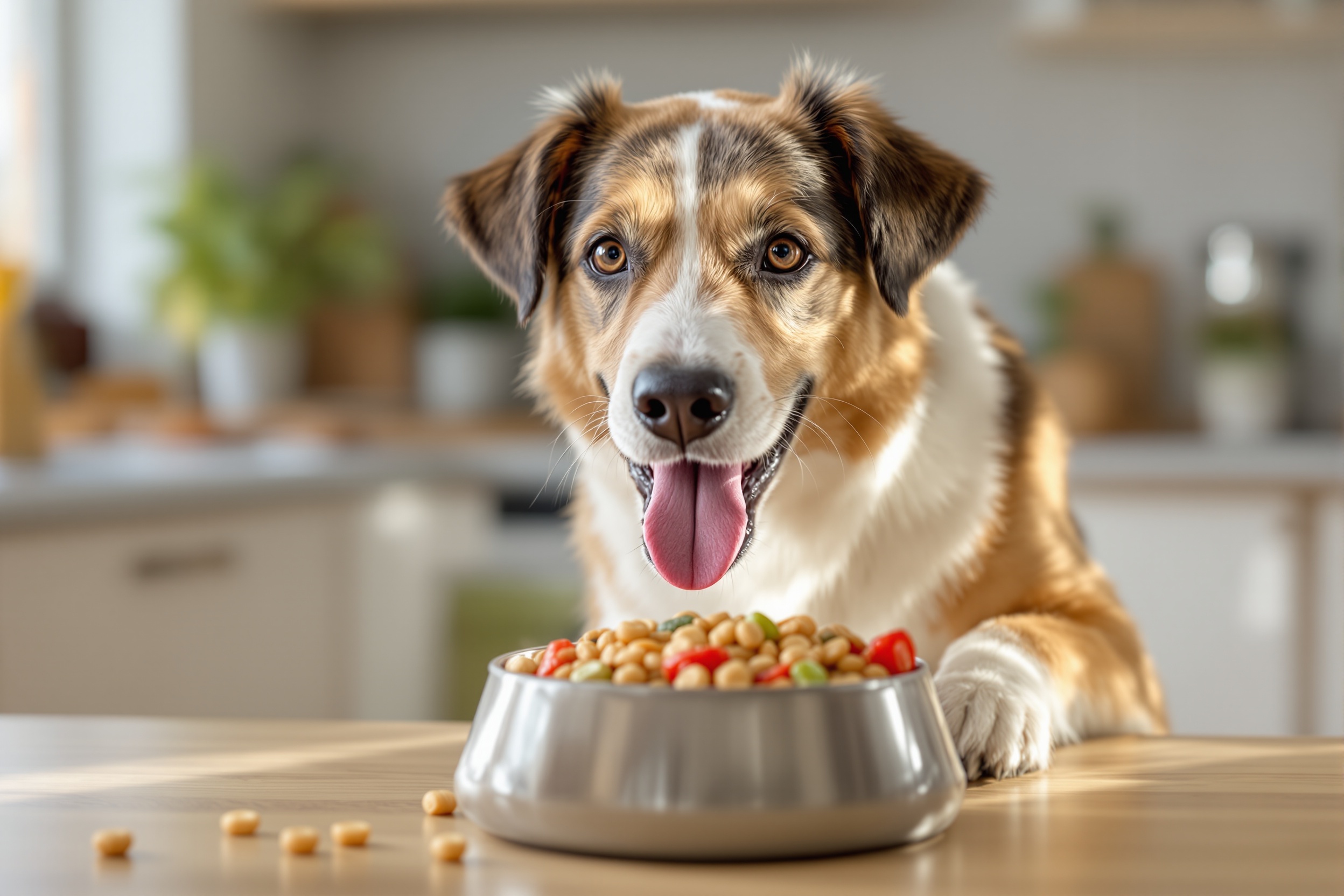
Complete Guide to Dog Nutrition and Feeding
Learn everything about proper dog nutrition, from choosing the right food to understanding portion sizes and feeding schedules for optimal health.
Senior Dog Care: Keeping Your Older Dog Healthy
Special care considerations for senior dogs, including diet adjustments, exercise modifications, and health monitoring.